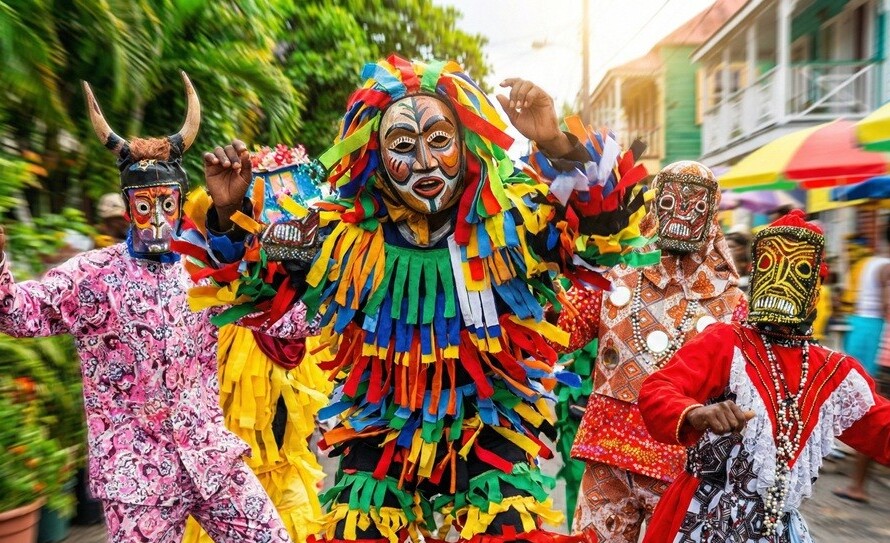
Dancehall Queen: The Real Story Behind the Fashion That Shocked the World

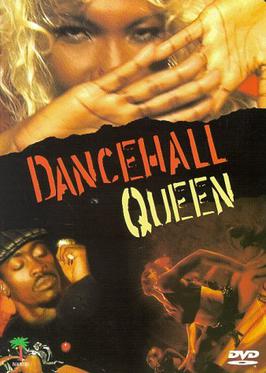
When Dancehall Queen premiered in 1997, audiences expected music, drama, and dancehall rivalry. What they didn’t expect was a film that would permanently shift the conversation about Jamaican fashion. The movie introduced a style language built from resourcefulness, individuality, and the visual rhythm of dancehall culture. More than twenty years later, its fashion impact remains visible in runway collections, music videos, and global streetwear trends.
A Style Built From Real Dancehall Culture
Unlike productions styled through external fashion advisors, Dancehall Queen drew inspiration directly from Kingston dancehall spaces of the 1990s. The film’s costume direction reflected a scene that was already experimenting with bold silhouettes, metallic textures, body-conscious designs, and custom pieces created by local dressmakers. These looks were not abstractions; they were pulled from an ecosystem where dancers, vendors, and designers developed styles specific to the sound system environment.
The lead character, Marcia—played by Audrey Reid—became the center of this visual narrative. Her transformation into the “Dancehall Queen” was rooted in practical reality: Jamaican women regularly used creativity, thrift, and tailoring skills to produce standout event looks. The film presented that process honestly, without glamorizing or diluting the ingenuity behind it. The fashion worked because it was grounded in the lived experiences of the culture.
A Cinematic Showcase That Reached Beyond Jamaica
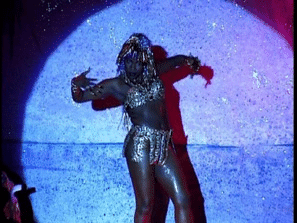
Although Dancehall Queen was a local production, its distribution across the Caribbean, the United States, Japan, and parts of Europe helped introduce dancehall fashion to new audiences. At the same time, international artists were incorporating Jamaican elements into their work, which created more visibility for the film’s style references. The bright colors, mesh overlays, towering heels, plastic accessories, and metallic fabrics seen in the movie aligned with broader trends in late-1990s pop culture, making the transition into global fashion more seamless.
Designers and stylists have since cited the film as an influence. Elements such as exaggerated proportions, custom lettering, and unconventional material choices appear in collections by major fashion houses. These connections are rarely direct reproductions; instead, they reflect how Dancehall Queen demonstrated the possibilities of bold, narrative-driven styling. The film showed how clothing could communicate authority, ambition, and personal reinvention.
The Lasting Effect on Modern Artists and Fashion Creatives
Contemporary dancehall and pop artists continue to reference Dancehall Queen in visuals, performances, and styling choices. The movie helped solidify the idea that dancehall fashion is not simply event wear, but a form of creative authorship shaped by cultural context. Younger designers in Jamaica and the diaspora draw from this legacy when creating new work, blending digital printmaking, upcycling practices, and high-fashion silhouettes with the underlying principles seen in the film.
As Reggae Genealogy 2026 turns its attention to the intersection of Jamaican music and global pop culture, Dancehall Queen stands out as a landmark example. It captured a moment when Jamaican creativity reshaped expectations about fashion on screen. Its influence persists because it demonstrated how style rooted in local culture can resonate far beyond its origin.
Experience reggae’s powerful influence on film, TV, and global culture—brought to life through electrifying live performances, immersive visuals, and iconic Jamaican style Reggae Genealogy. Bring your lawn chairs and join us February 7th at Volunteer Park in Plantation. Tickets at https://reggaegenealogy.org/tickets/.