

From Dancehalls to Netflix, Reggae’s Second Life in Streaming
In contemporary streaming television, reggae is used with intention. Once upon a time, reggae music in film would conjure only cliché images of white sand beaches and pina coladas. Today, rather than serving as ambient sound or a nostalgic signal, it is selected to shape how a scene is read—emotionally, culturally, and ethically. Music supervisors deploy Jamaican music to compress meaning, using familiar songs to frame moments of threat, control, irony, or moral strain without dialogue.
This reflects changes in how television is made and watched. As series have adopted slower pacing, longer arcs, and greater psychological detail, music cues have become more exact. Reggae’s wide recognition, paired with its roots in social commentary, makes it effective in scenes where power dynamics or internal conflict need to be established quickly. Its presence now often coincides with moments of consequence rather than ease.
“Bam Bam” and the Sound of Control Under Pressure
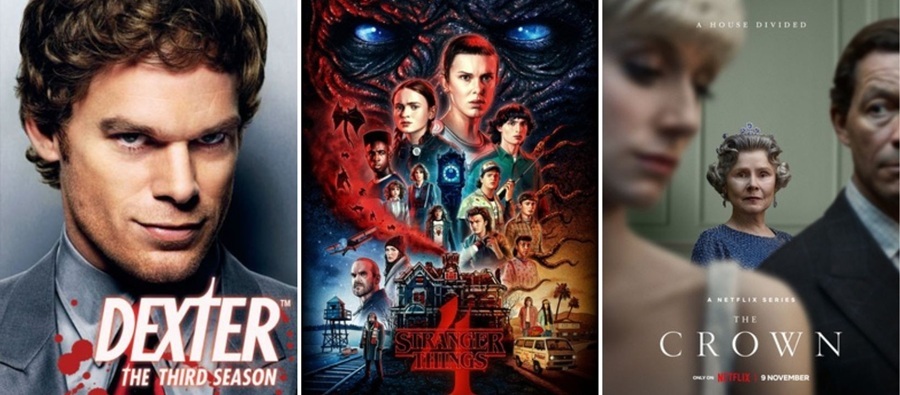
Sister Nancy’s “Bam Bam” is one of the most frequently reused reggae tracks in recent screen history. In the melodious, iconic 1982 track, the phrase “bam bam” refers to a ruckus or a great commotion. The song serves as a defiant anthem of self-assertion and empowerment. Appearing in Dexter, The Interview, and Ozark, among others, the song accompanies scenes where characters assert control while violence or instability is close at hand.
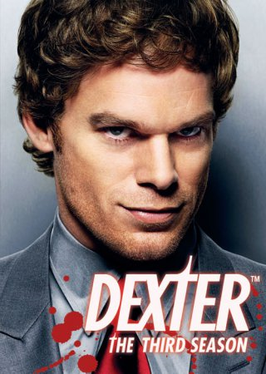
In Dexter, “Bam Bam” plays during moments that sit near Dexter’s double life—often as he moves through ordinary public spaces while concealing his capacity for violence. The song’s steady rhythm underscores the disconnect between what appears normal and what the audience knows is imminent.
In Ozark, the track is used during sequences involving criminal maneuvering and power shifts, including scenes where characters make calculated decisions that escalate risk. The music runs beneath conversations and actions that appear composed on the surface, reinforcing how fragile that control actually is.
The song’s repeated use reflects an industry preference for music that does not announce danger outright. “Bam Bam” does not cue fear; it allows tension to emerge from contrast between mellow sound and deviant behavior, leaving viewers to sit with unease rather than resolve.
Period Memory and Shaggy in The Crown
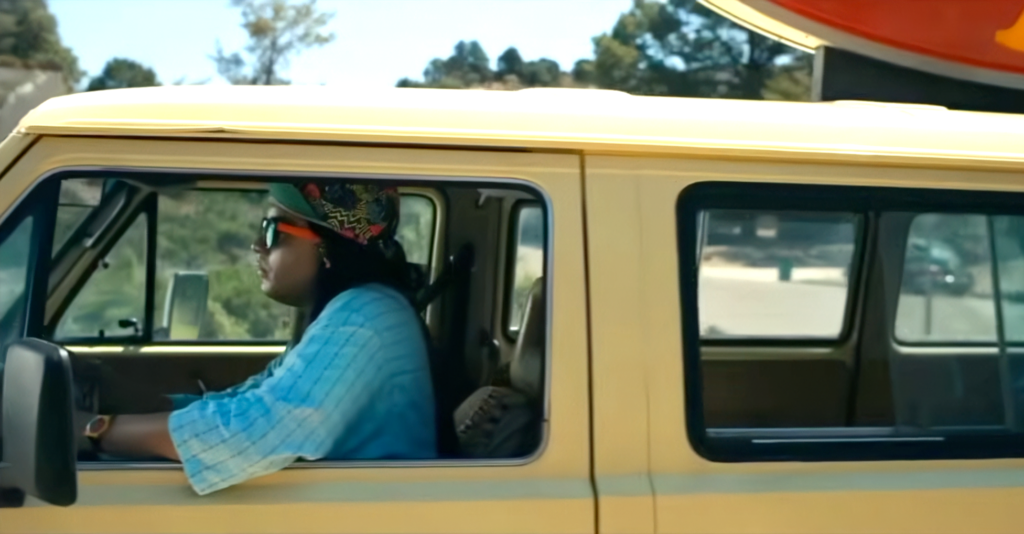
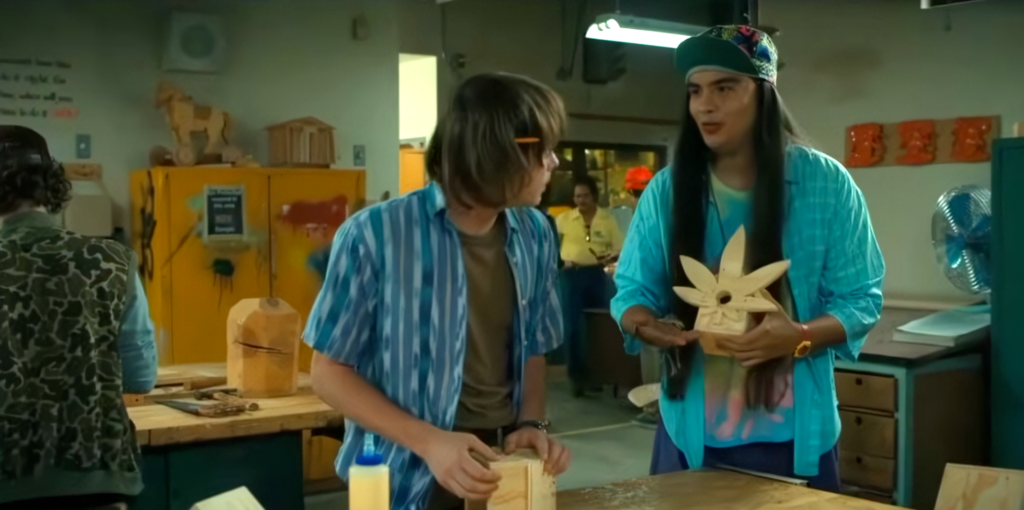
Other placements use reggae to anchor time while reinforcing themes. In Stranger Things, Musical Youth’s “Pass the Dutchie” plays as a new character, Argyle, is introduced in California—a stereotypical stoner, drifting through the scene in a beat-up pizza van. The track clearly anchors the moment in the early 1980s, but its light, playful tone cuts against the otherwise tense circumstances unfolding around him. That contrast is intentional: the song’s surface-level ease masks its origins as a critique of authority and control, reinforcing the show’s recurring theme of young people caught inside systems they barely understand. The disconnect between sound and situation mirrors Stranger Things’ ongoing interplay between humor, vulnerability, and threat.
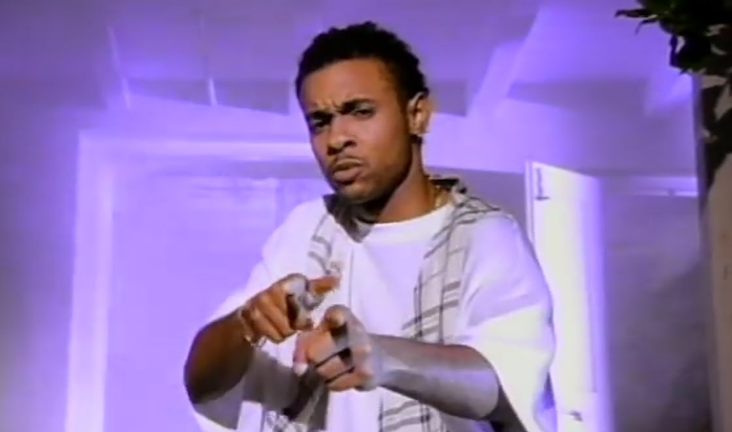
Reggae’s appearance in The Crown operates differently. Shaggy’s music enters the series during the fallout from Princess Diana’s 1995 BBC interview—the same year “Boombastic” reached No. 1 on the UK Singles Chart. As the episode winds down, the Queen, newly introduced to satellite television, surveys hundreds of channels and finds nothing of interest. Her grandson, Prince William flips through the options and Shaggy’s “Boombastic” music video appears onscreen.
Set against royal ritual and institutional authority, the song creates friction without explanation. Its presence quietly situates Jamaica within the episode’s historical landscape, relying on audience recognition rather than exposition. The contrast is felt rather than stated, relying on the audience’s recognition of reggae as a product of a former colony shaped by British rule. In these moments, music functions as context rather than commentary.
Why Reggae Fits Prestige Television
Reggae works on screen because it operates on multiple levels at once. It is recognizable and accessible, but it also carries associations with inequality, defiance, migration, and endurance. That allows it to function as atmosphere while still shaping interpretation.
Music supervisors often turn to reggae in scenes where characters confront systems—criminal networks, state power, corporate hierarchies, or inherited authority. The cue signals that these encounters carry weight. Even when lyrics are not foregrounded, the music situates the scene within a broader cultural frame.
Reggae history aligns with narratives concerned with power, consequence, and unresolved tension.
A Living Archive on Screen
As streaming platforms circulate stories globally, reggae’s continued presence reflects its durability as a narrative tool. Songs recorded decades ago now accompany contemporary plots, introducing new audiences while reshaping how the music is understood. Each placement becomes part of an ongoing archive, where cultural memory is preserved through use rather than explanation.
From Trench Town sound systems to serialized television, reggae’s screen life has shifted in form but not relevance. It now functions as a language—capable of carrying history, pressure, and context in a single cue. In modern television, reggae goes far beyond simply accompanying scenes. It structures how they are felt and understood.
As the 2026 Reggae Genealogy Music Festival prepares to examine decades of Jamaican music’s iconic presence in film and television, the continued use of reggae in the streaming era underscores its lasting influence and relevance in mainstream media.
Learn more about Reggae Genealogy: Lights. Camera. Reggae, coming to Plantation, Florida on Saturday, February 7, 2026 at reggaegenealogy.org.


