The Political Storylines Behind Reggae Films
Reggae and political expression have always been intertwined, and the films built around the music often carry that same tension. From stories of economic struggle to portrayals of state power, many reggae-centered movies present more than entertainment. They offer documents of resistance, shaped by the social conditions surrounding Jamaican and Caribbean life. These films hold historical value because they reveal how musicians, filmmakers, and communities used visual storytelling to respond to pressure, inequality, and the search for autonomy.
Cinema That Reflected Real Social Conditions
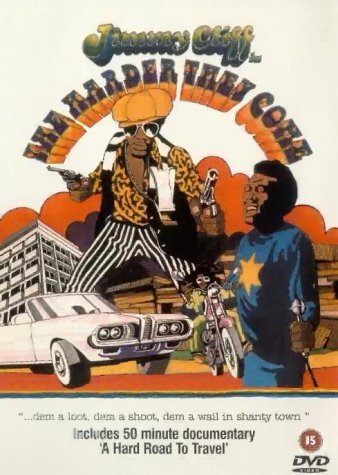
Perry Henzell’s The Harder They Come (1972) remains the most widely cited example of reggae cinema rooted in political context. The film follows a young musician navigating limited economic opportunities, corrupt institutions, and systemic violence. Although fictionalized, the conditions it depicted—urban displacement, widening class divisions, and mistrust of authority—were well-documented realities in Jamaica during the late 1960s and early 1970s. The soundtrack amplified these themes, with songs that addressed ambition, frustration, and resilience. Rather than presenting a polished version of island life, the film showed social pressures that shaped the emergence of reggae itself.
Resistance Through Culture, Not Slogans
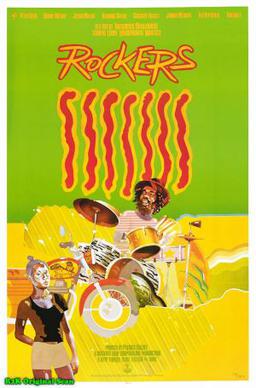
Later films continued this approach but used different methods. Rockers (1978) showed working musicians facing industry imbalances and economic hardship without turning these challenges into dramatic speeches or symbolic gestures. The politics were embedded in daily life: musicians negotiating with promoters, the uneven distribution of resources across the island, and the cultural role of sound systems in marginalized communities. The film demonstrated how resistance can be expressed through cultural practice—through the ways people work, collaborate, and assert identity despite limited support.
Countryman (1982) introduced another layer by combining spiritual philosophy, environmental awareness, and Cold War-era geopolitics. While the plot involved fictional conflict, its themes reflected concerns about foreign influence, local autonomy, and the connection between land and sovereignty. These issues were actively debated across the Caribbean during that period, and the film’s positioning of a rural, self-reliant protagonist offered a counter-narrative to dominant portrayals of development and authority.
A Global Framework for Political Storytelling
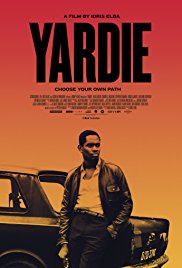
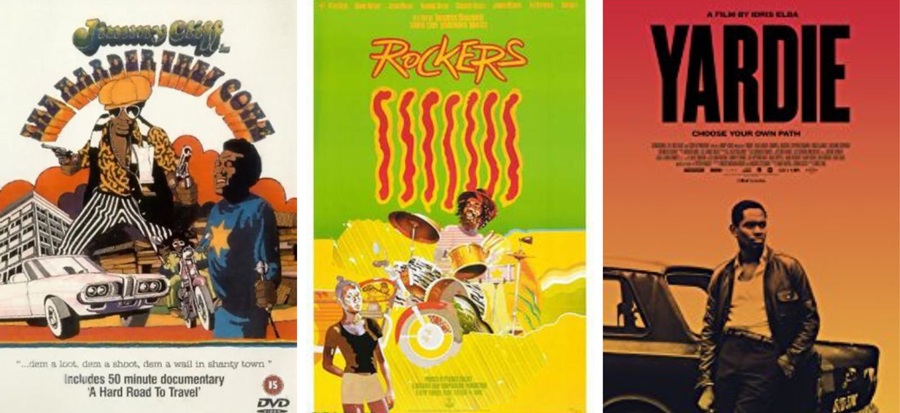
International cinema has also drawn from reggae’s political dimension. Films such as Yardie (2018) and The Harder They Fall (2021) incorporate Jamaican music and themes of power, identity, and displacement in broader diasporic or cross-cultural contexts. These productions show how reggae’s political voice extends beyond Jamaica, shaping global conversations about inequality, migration, policing, and cultural assertion. The music’s long-standing role as a tool for commentary continues to influence how directors frame character motivations and social landscapes.
As Reggae Genealogy prepares to highlight the intersection of Jamaican music and visual storytelling, the political threads running through these films remain central to understanding their impact. They record the pressures communities faced, the strategies they developed, and the cultural forms that carried their messages. Reggae films are not only creative works; they are archives of resistance that document how people navigated and challenged the systems surrounding them.
Experience reggae’s powerful influence on film, TV, and global culture—brought to life through electrifying live performances, immersive visuals, and iconic Jamaican style Reggae Genealogy. Bring your lawn chairs and join us February 7th at Volunteer Park in Plantation. Tickets at https://reggaegenealogy.org/tickets/.